Signs It’s Time to Sealcoat Your Driveway This Spring
You should sealcoat your asphalt driveway in the Twin Cities when you notice significant fading from black to grey, hairline cracks, or surface pitting. Ideally, a high-quality sealant should be applied every two to three years to protect against Minnesota's intense freeze-thaw cycles and moisture penetration that causes structural failure.
Why Is Spring the Best Time for Driveway Maintenance?
Spring represents a critical window for homeowners in the Twin Cities. After the brutal weight of snow, ice, and road salt, asphalt surfaces often emerge from winter with new damage. Addressing these issues in early spring—specifically between late April and early June—ensures that your driveway is structurally sound before the heat of summer arrives. Sealcoating requires a specific temperature range to cure properly. The air and pavement temperature must remain at 50 degrees Fahrenheit and rising for at least 24 hours. Spring provides the perfect balance of moderate humidity and predictable warmth that allows the sealant to bond effectively with the oxidized asphalt surface.
What Are the Top Signs Your Driveway Needs Sealcoating?
Identifying the early warning signs of asphalt degradation can save you thousands of dollars in replacement costs. Asphalt is a flexible material composed of rock, sand, and a liquid asphalt binder. Over time, environmental stressors break down this binder, leaving the surface brittle and prone to breakage. If you ignore these signs, a simple sealcoating job can quickly turn into a full rip-and-replace project. Look for changes in texture, color, and structural integrity as the ground thaws. Our FAQs page covers many of these common concerns for homeowners looking to protect their investments.
Sign 1: Fading from Jet Black to Dull Grey
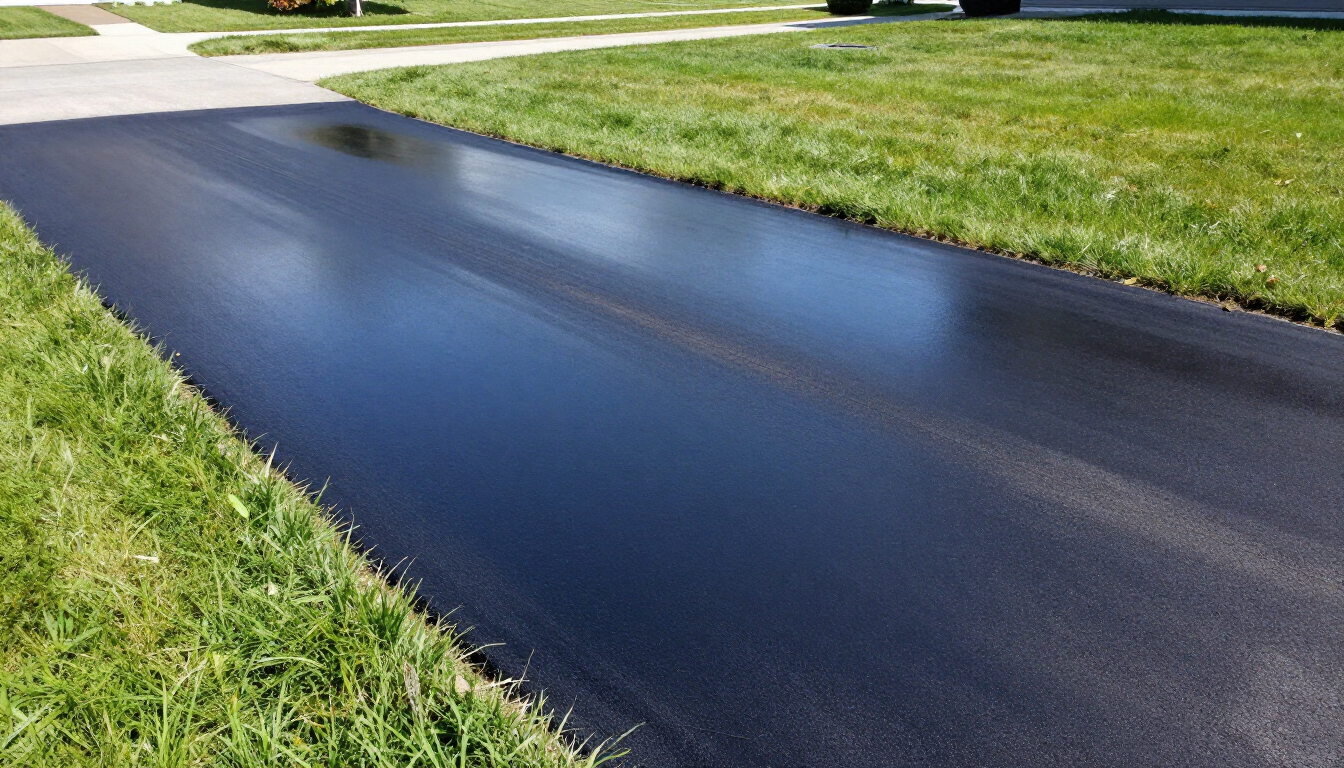
The most obvious indicator that your driveway is overdue for maintenance is a change in color. New asphalt is deep black because it is saturated with oils and bitumen. However, UV rays from the sun act as a bleaching agent, oxidizing the surface and causing it to turn a light ash-grey. This isn't just a cosmetic issue; it's a chemical one. As the asphalt oxidizes, it loses its flexibility. Brittle asphalt cannot expand and contract with the temperature fluctuations common in the Twin Cities. When the pavement becomes too rigid, it begins to snap under the weight of vehicles, leading to the first stages of cracking. Applying a fresh sealcoat restores that rich black color and, more importantly, provides a sacrificial layer that absorbs UV radiation, protecting the flexible binder underneath.

Sign 2: The Appearance of "Alligator" Cracks
If you see a series of interconnected cracks that look like the scales of an alligator, your driveway is in trouble. This pattern typically indicates that the sub-grade is failing due to water penetration. When water seeps through small surface cracks and sits in the gravel base, the freeze-thaw cycle of a Minnesota winter expands that water, pushing the pavement upward. When the ice melts, a void is left behind, and the asphalt collapses into it. This "alligatoring" is a clear sign that the surface can no longer support the weight of a car. While sealcoating cannot fix deep structural failures, catching these cracks when they are still small and hairline-thin—and filling them before sealcoating—can stop the progression of the damage. If you wait too long, the only solution will be a costly patch or a complete overlay.
Sign 3: Surface Pitting and Loose Stones
Take a close look at the texture of your driveway. Does it feel like a smooth road, or can you see individual stones sticking out? Surface pitting, also known as raveling, occurs when the asphalt binder has worn away so much that the aggregate (the rocks and sand) begins to dislodge. You might notice small piles of loose gravel near the edges of your driveway or at the bottom of the slope. This is a sign that the upper layer of your pavement is literally disintegrating. Once raveling starts, the surface becomes porous, allowing even more water to enter. Sealcoating acts as a waterproof shield, locking those stones in place and filling the small pits before they become larger holes. If you notice this grit on your shoes or in your garage, it is time to check our Online Scheduling to get a professional assessment.
Sign 4: Oil and Chemical Stains from Vehicles
Asphalt is a petroleum-based product, which means it is highly susceptible to damage from other petroleum products like motor oil, gasoline, and brake fluid. If your vehicle has a small leak, those fluids will eventually dissolve the asphalt binder on contact. You will notice these as dark, soft spots where the asphalt feels almost like chewing gum. If left untreated, the oil will eat through the entire thickness of the pavement. During your spring cleaning, inspect your parking areas for these stains. Before sealcoating, these spots must be primed with a specialized oil-spot primer; otherwise, the new sealcoat will not bond to the surface. Professional-grade sealants are designed to provide a barrier against these chemicals, though prompt cleaning is still recommended to maintain the integrity of the seal.
Sign 5: Drainage Issues and Standing Water
Minnesota is known for its heavy spring rains. After a storm, walk out to your driveway and look for standing water. A properly graded and sealed driveway should shed water toward the edges or the street. If you see puddles that persist long after the rain has stopped, it means your driveway has developed depressions or "birdbaths." These low spots are often the result of the ground settling or the sub-base being washed away. Standing water is the enemy of asphalt; it softens the surface and accelerates the oxidation process. While a sealcoat won't magically level a sunken driveway, it will prevent that standing water from seeping into the pores and making the depression worse. If you live within our Service Area , we can help evaluate if your drainage issues require simple sealing or more intensive asphalt leveling.
Professional Sealcoating vs. DIY Methods
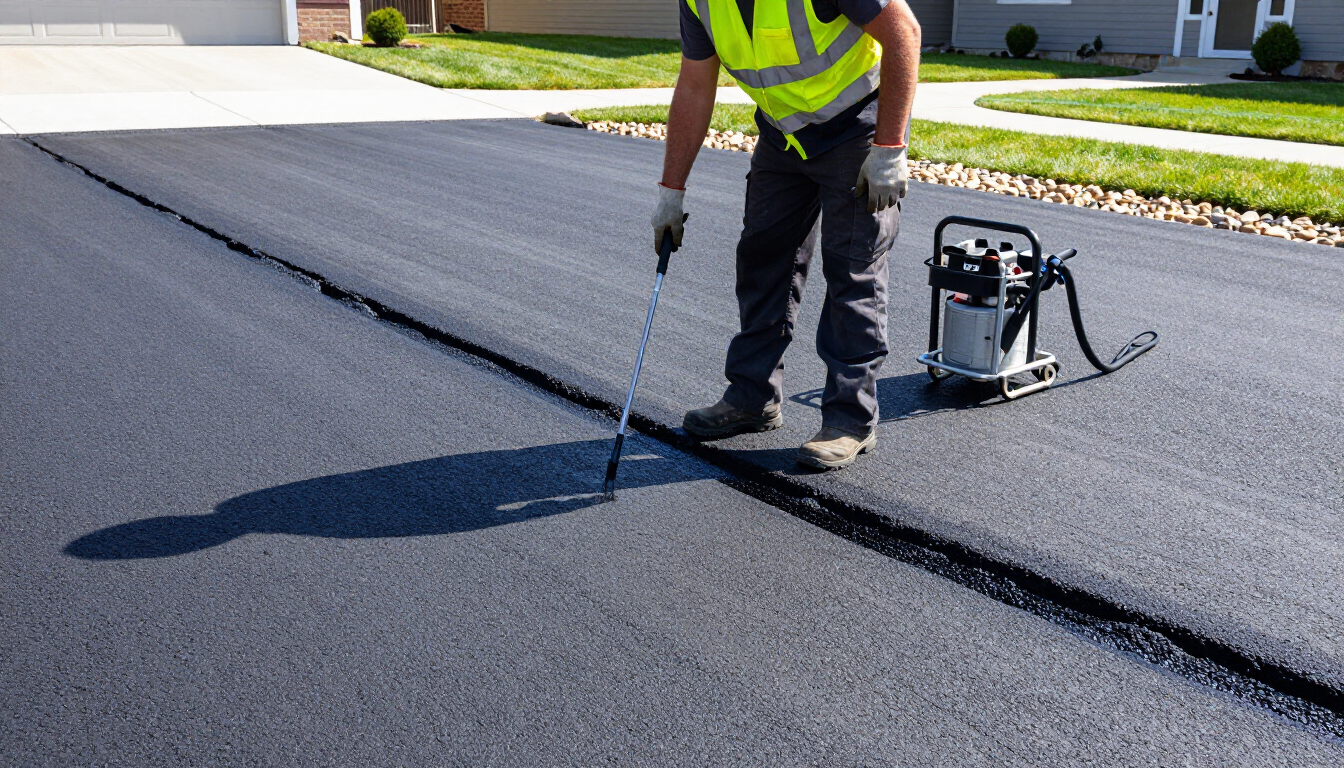
Many homeowners are tempted to buy a few buckets of sealant from a big-box store and do the work themselves. However, there is a significant difference between DIY products and professional-grade coal tar or asphalt emulsion. Store-bought sealants are often watered down and lack the high solids content needed for long-lasting protection. Professional contractors use pressurized spray systems or commercial squeegees that ensure a uniform thickness and better penetration into the asphalt pores. Furthermore, a professional service includes thorough cleaning with high-powered blowers and wire brushes, which is essential for the sealant to stick. If the surface isn't perfectly clean, the new coat will peel off within a few months, leaving you with a mess that is harder to fix than the original problem.
How Often Should You Sealcoat in the Twin Cities?
Because of the extreme climate in Minnesota, the standard recommendation for driveway maintenance is slightly more frequent than in more temperate states. Here are the general guidelines for keeping your asphalt healthy:
- New Driveways: Wait at least 6 to 12 months before the first sealcoat to allow the oils to cure.
- Standard Maintenance: Every 2 to 3 years depending on traffic and sun exposure.
- High Traffic Areas: Inspect annually for signs of wear in the tire paths.
- Crack Filling: Should be done every spring, even if a full sealcoat isn't needed.
- Cleaning: Remove leaves, dirt, and salt monthly to prevent surface rot.
Final Takeaway: Protect Your Investment This Spring
Maintaining your driveway is one of the most cost-effective ways to preserve your home’s value and functionality. By acting this spring, you prevent the minor wear of winter from becoming the major repairs of next year. Remember to look for fading, cracking, pitting, stains, and standing water as your primary warning signals. A fresh, professional sealcoat provides a waterproof barrier, UV protection, and a beautiful jet-black finish that enhances your entire property. For more information on home maintenance and property care, visit our Blog or reach out for a professional consultation today.
- Evaluate your driveway color for grey oxidation.
- Check for hairline cracks and fill them immediately.
- Schedule your service when temperatures are consistently above 50 degrees.
- Clear chemicals and oils to prevent the binder from dissolving.
- Choose professional application for a longer-lasting, durable finish.
Investing in sealcoating now ensures your driveway remains smooth and strong for years to come, despite whatever weather the Twin Cities throws your way.
Recent Posts